Ultra Low Emission Zones

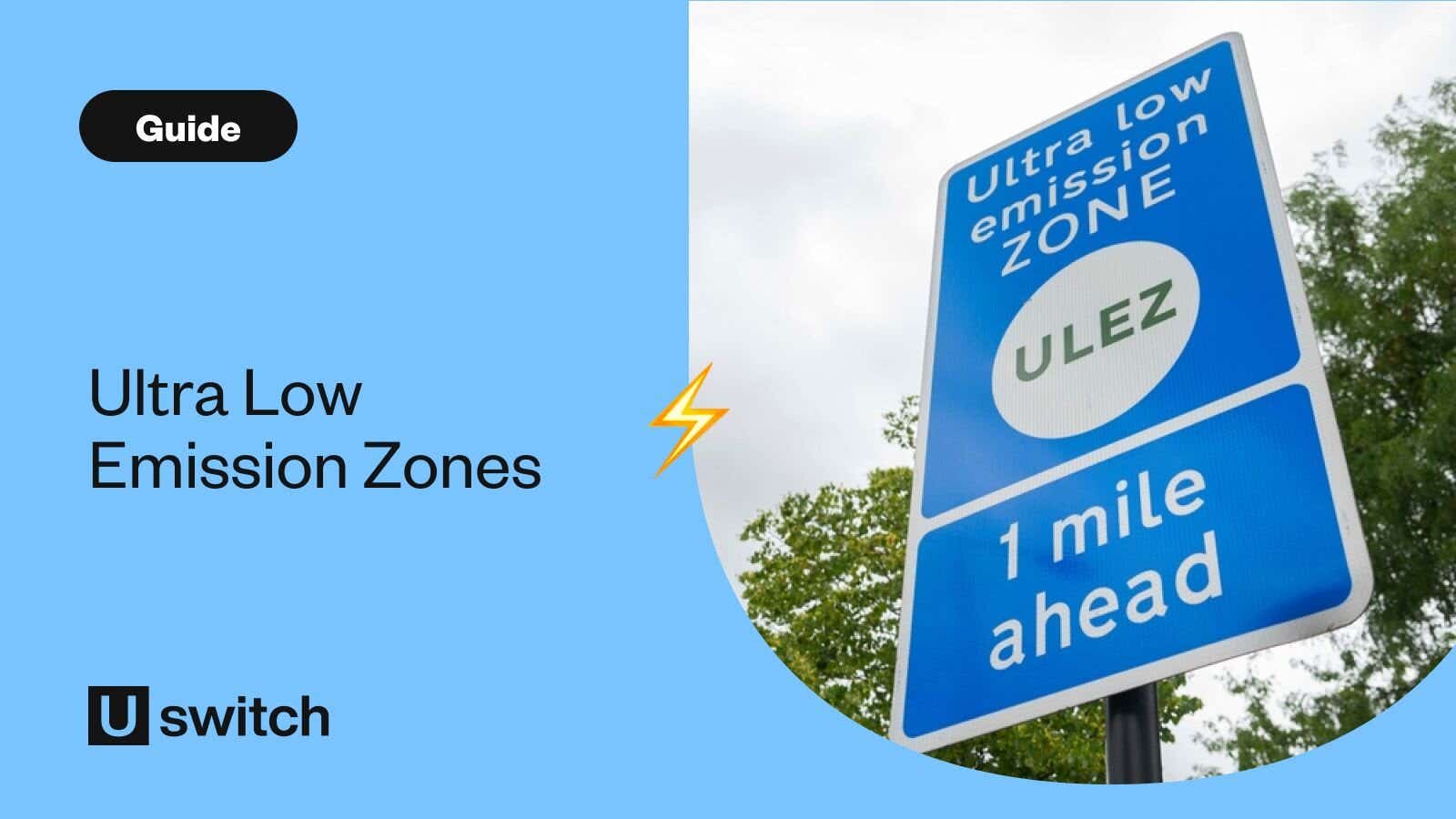
What is an Ultra Low Emission Zone (ULEZ)?
An Ultra Low Emission Zone isn’t an electric car congestion charge - rather, it’s a daily charge for the worst-offending vehicles in terms of pollution travelling into London. The Mayor of London and Transport for London introduced it to clean up London’s polluted air by reducing nitrogen dioxide levels. The good news is that most electric vehicles – including all fully electric vehicles (BEVs) – are exempt from the charge.
Why are Ultra Low Emission Zones established?
Petrol and diesel vehicle emissions have long been known to have a detrimental effect on the environment. With the focus on climate change at unprecedented levels around the world, the plans for London’s Ultra Low Emission Zone were implemented by Sadiq Khan in April 2019.
The aim is to reduce the amount of nitrogen dioxide in London’s air by 30% in order to improve the health of those living in London, but also to help the environment. Every vehicle that enters the ULEZ without meeting the emissions requirements will be charged £12.50 per day.
How are Ultra Low Emission Zones enforced?
The ULEZ operates from midnight to midnight every day of the year. It is monitored by numberplate recognition cameras that detect vehicles as they enter and exit the zone. Every vehicle that does so is put through a database to check its emissions status and whether or not a fee has to be paid.
Drivers who must pay will then receive a notification requesting payment within three days. Those who fail to pay on time will face a penalty charge of £180 (reduced to £90 if paid within 14 days).
Which vehicles does the Ultra Low Emission Zone affect?
The ULEZ affects a wide range of vehicles, including:
- Cars: cars must meet the ULEZ standards (Euro 4 for petrol, Euro 6 for diesel) to avoid charges – most cars manufactured since 2005 (petrol) or 2015 (diesel) should meet these standards, including all EVs
- Vans and minibuses: the same minimum standards also apply to small vans, light utility vehicles, ambulances, motorcaravans and minibuses
- Motorbikes and mopeds: all vehicles must meet Euro 3 standards for NOx to avoid paying the ULEZ charge
- Lorries and coaches: includes HGVs, vans, motorised horseboxes, breakdown and recovery vehicles and many more.
What vehicles are exempt from ULEZ?
There are several exemptions and discounts, including some Blue Badge holders whose vehicles are registered in the 'disabled' or 'disabled passenger vehicles' tax class benefit. They are exempt from paying the ULEZ charge for a grace period that is set to expire on 24 October 2027. Other groups – including wheelchair accessible vehicles (WAV) and some people in receipt of disability benefits – are also exempt for the same period but must register to do so. For a full list of exemptions, click here.
Where is the London Ultra Low Emission Zone (ULEZ)?
London’s Ultra Low Emission Zone covers the areas shown here.

The ULEZ perimeter has covered all of London’s boroughs since 29 August 2023. They include:
- Central London (comprising the City, Westminster, Hackney, Tower Hamlets, Camden, Islington, Lambeth, Southwark, Wandsworth and Kensington & Chelsea)
- Enfield
- Waltham Forest
- Redbridge
- Havering
- Barking and Dagenham
- Newham
- Bexley
- Greenwich
- Lewisham
- Bromley
- Southwark
- Lambeth
- Wandsworth
- Croydon
- Merton
- Sutton
- Kingston upon Thames
- Richmond upon Thames
- Hounslow
- Ealing
- Hillingdon
- Harrow
- Brent
- Barnet
What are congestion charge zones?
Congestion charge zones differ slightly from Ultra Low Emission Zones. They’re usually implemented by authorities in cities that suffer particularly from emissions caused by high levels of traffic. Cities that have implemented a congestion charge include Singapore, Stockholm, Milan and London.
Where is the London congestion charge zone?
In London, the congestion charge zone covers Central London (a smaller area than the ULEZ). It’s a separate charge to the ULEZ charge. This means that drivers with vehicles that don’t meet the ULEZ emissions standards will be charged both the £12.50 ULEZ fee and the £18 congestion charge fee for each day they use their vehicles within the congestion charge zone shown below.
Note: electric vehicles aren’t exempt from the congestion charge – you must pay the full amount (£18 a day) if you travel through the congestion charge zone. However, EV owners who sign up to AutoPay can benefit from the Cleaner Vehicle Discount, which saves 25-50% off the price depending on the type of vehicle:
- Electric cars registered for AutoPay pay £13.50 a day to travel through the zone
- Electric vans, HGVs and quadricycles registered for AutoPay pay £9 a day
This discount level will decrease to 12.5% and 25% respectively on 4 March 2030.

FAQs
Can I drive in the Ultra Low Emission Zone?
Yes - the Ultra Low Emission Zone isn’t designed to keep drivers out. Anyone can drive in it as long as they have a valid license for the vehicle they’re operating; the issue is whether the vehicle is one you can be charged for using in the ULEZ.
How do I know if I need to pay ULEZ?
There are plenty of ULEZ road signs visible as you drive towards the border of the zone, so you should know in advance if you’ll have to pay the charge. You’ll also be notified via letter afterwards.
Do I have to pay ULEZ if I live in the zone?
Yes, residents of the ULEZ zone are subject to the same restrictions as those travelling into the zone from outside – if your vehicle doesn’t meet the ULEZ emissions standards, you’ll be charged £12.50 a day to use it.
Are electric cars exempt from ULEZ charges?
Yes, electric vehicles don’t have to pay the ULEZ charge as they easily meet the ULEZ emissions standards.
Do electric cars pay the London congestion charge?
Yes, electric cars must pay the London congestion charge now that a period of exemption has expired. They now pay the same standard rate as other vehicles - £18 a day - but can get a discount of 25% (electric cars) or 50% (electric vans, HGVs and quadricycles) if they sign up for AutoPay.
